Home »
What is AI Marketing and why do brands need it in 2026?

What is AI Marketing and why do brands need it in 2026?
Every time you open Instagram and see a reel that feels exactly like something you’d watch, or when an online store recommends a product you were literally thinking about five minutes ago, it almost feels like the internet is reading your mind. But it’s not magic. It’s AI. And today, brands aren’t just posting content and hoping it works anymore. They’re using artificial intelligence to understand their audience better, predict behaviour, and make smarter marketing decisions. That’s where AI marketing comes in.
For example, have you noticed how platforms like Netflix or Amazon always suggest something you might actually like? That’s not random. AI studies what you watch, what you skip, and what you search for, and then predicts what you might enjoy next. Now imagine brands using the same intelligence for marketing. Instead of showing the same ad to everyone, they can show the right message to the right person at the right time. That’s the real power of AI marketing.
So now that you know how important a part AI plays in the world of marketing, let’s break it down in a simple way for you.
What is AI marketing?

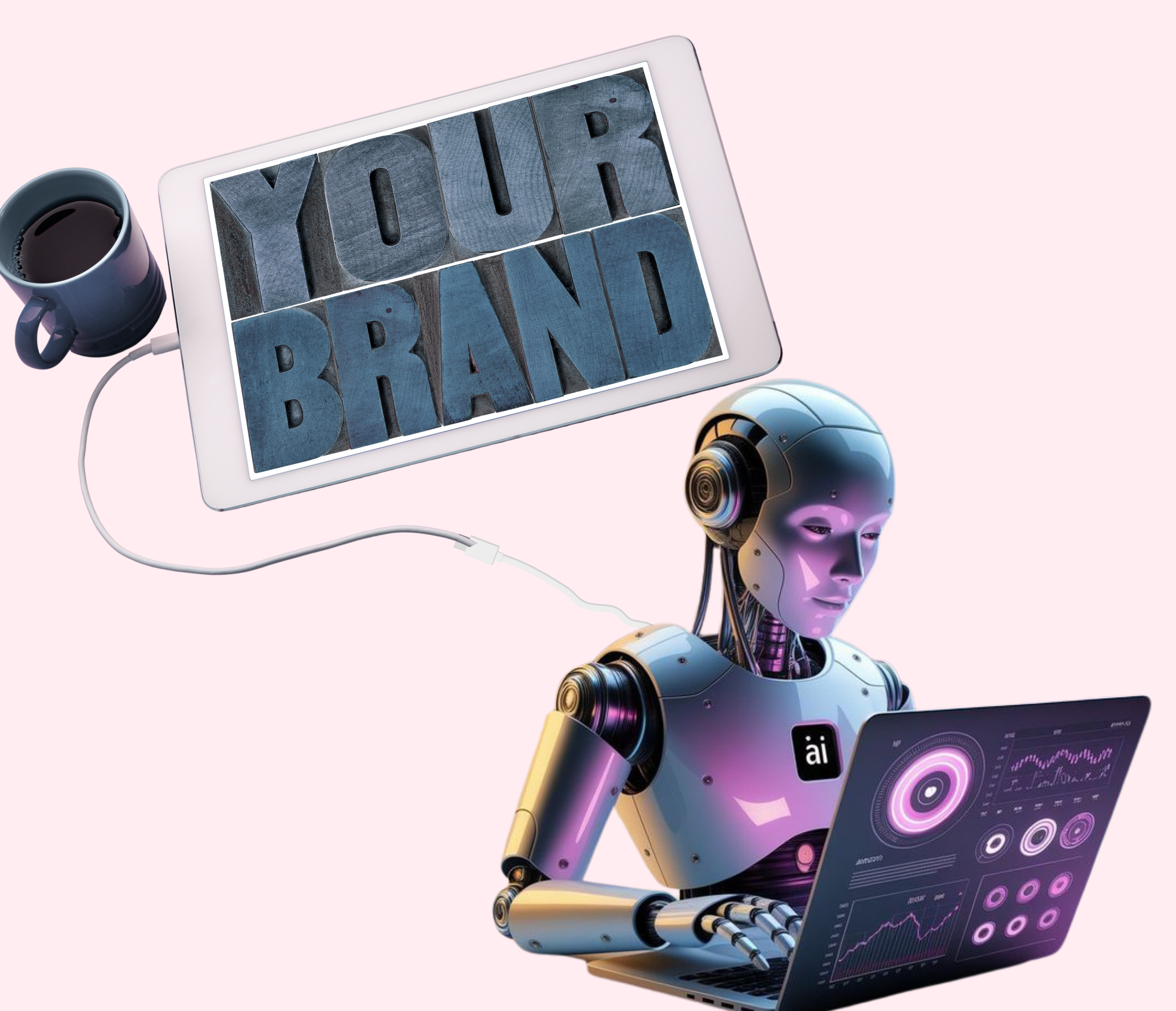
AI marketing is when brands use artificial intelligence tools and technology to make their marketing smarter, faster, and more personalised. Instead of guessing what the audience might like, AI analyses data and patterns to help brands make better decisions. AI helps brands understand what type of content people engage with, suggest the best time to post, personalise ads for different audiences, and analyse customer behaviour online.
In Bookish words, AI helps brands move from guesswork to data-driven marketing.
So What Types of AI Are Brands Actually Using?
Now you might be scratching your head thinking, “Okay, cool, AI marketing sounds fancy… but what kind of AI are brands actually using?” Fair question. Because when we say “AI”, we’re not talking about one single tool. Brands are using different types of AI for different marketing tasks. Here are some of the most common ones you’ll see in marketing today:
1) Generative AI
This is the AI that helps create things like captions, ad copies, scripts, blog drafts, visuals, and sometimes even video ideas. It basically speeds up the creative process. Marketers still add the human touch, but AI helps them start faster.
2) Predictive AI
This type of AI studies data and patterns to predict what customers might do next. For example, it helps brands understand which users are more likely to buy, which campaigns perform better, and which products people are interested in.
3) Recommendation AI
This is the AI behind those “You might also like this” suggestions you see everywhere. From shopping websites to streaming platforms, recommendation AI analyses user behaviour and suggests products or content that match their interests.
4) AI Chatbots and Customer Support
Many brands now use AI chatbots to answer customer queries instantly. Instead of waiting hours for a response, customers can get help immediately, improving both experience and response time.
In simple words, different types of AI handle different parts of marketing, i.e., content creation, customer insights, recommendations, and support. And when brands use these tools together, their marketing becomes faster, smarter, and far more personalised.
Why AI Marketing Is Becoming So Important?
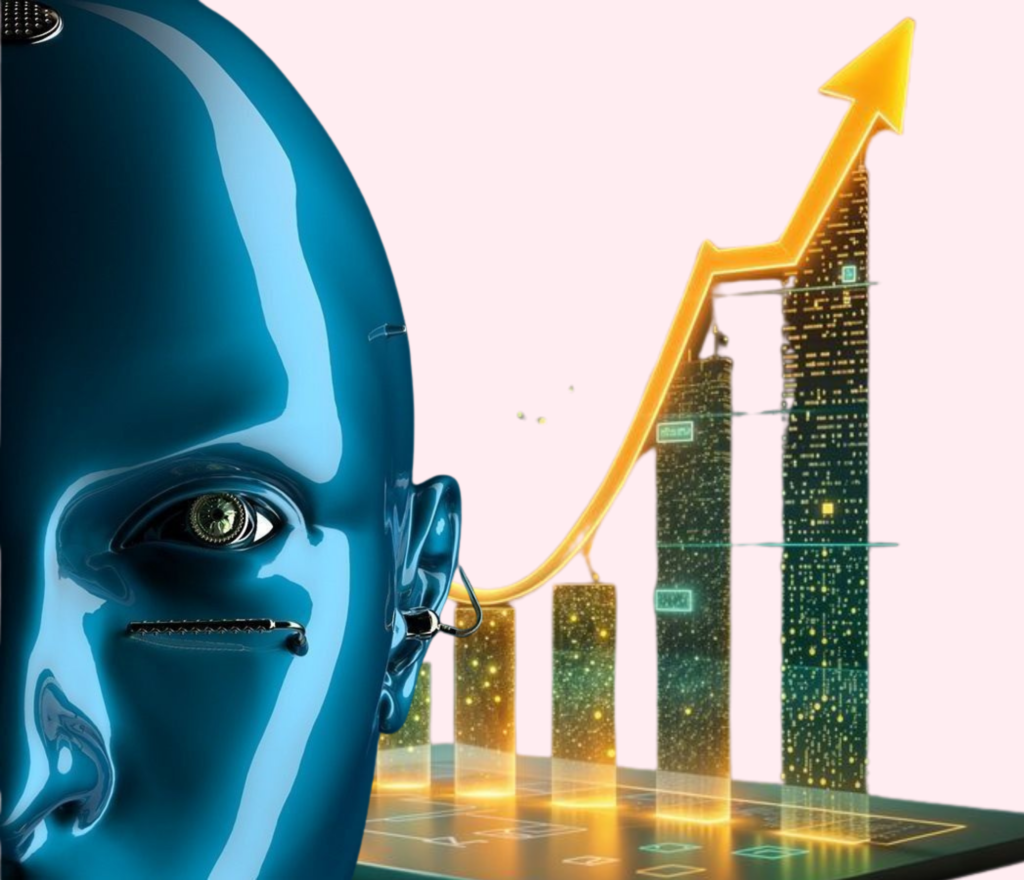
The internet today is crowded, aka messy. Every brand is posting, advertising, and competing for attention. If everyone is creating content, the real question becomes, How do you stand out? This is where AI becomes powerful. AI tools can study audience behaviour and tell brands things like which type of content performs better, what topics people are searching for, and which customers are more likely to buy. Instead of spending weeks figuring things out manually, AI can give insights in minutes. And in the fast-moving digital world, speed matters.
And the most powerful advantage AI is providing to brands is “Personalisation”. Earlier, brands created one message for everyone. Now, AI allows brands to tailor messages for different types of customers. For example, a student might see budget-friendly offers, a working professional might see premium options, and a returning customer might get personalised recommendations. The result? Marketing feels more relevant instead of random. And when content feels useful to you, you are more likely to engage with it.
The Future: Humans + AI, Not Humans vs AI.
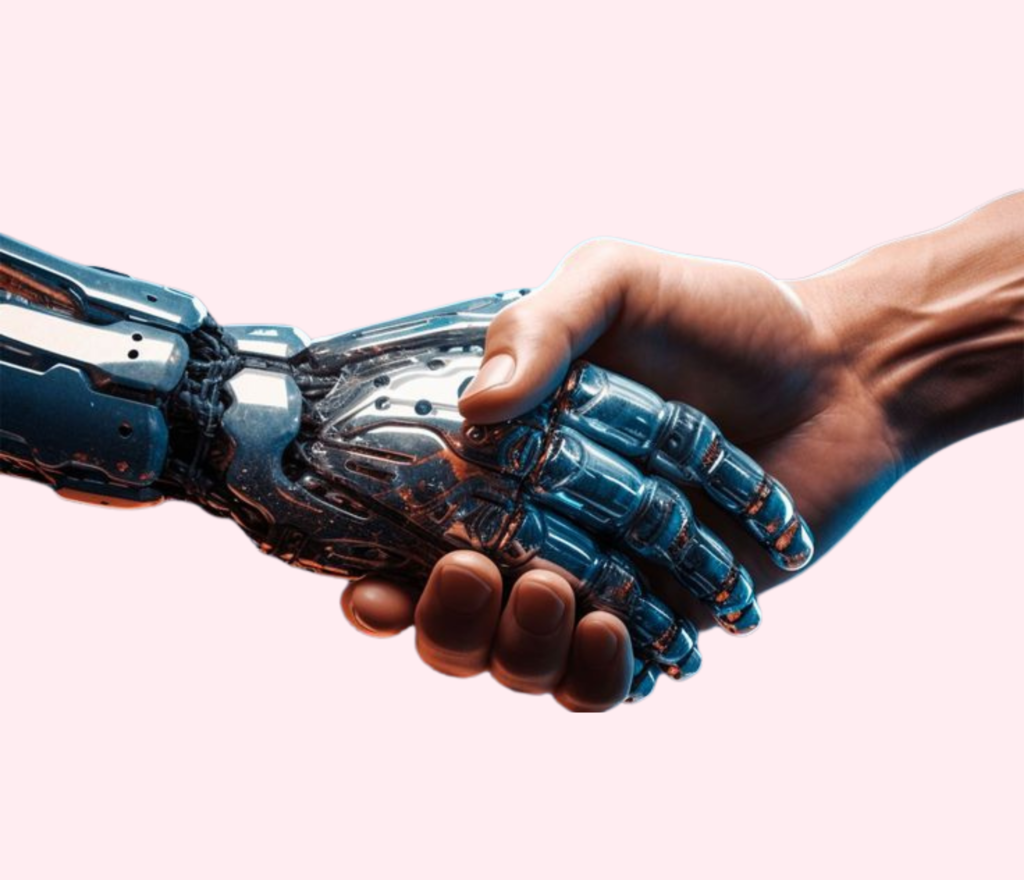
By the end of 2026, digital marketing will be even more competitive than it is today. Audiences will see thousands of posts, ads, and videos every day. Brands that rely only on manual marketing strategies may struggle to keep up. AI helps brands understand their audience better, optimise campaigns faster, and create more personalised experiences
In other words, AI doesn’t just make marketing easier, but it makes it smarter. And the
brands that learn how to combine human creativity with AI insights will be the ones that stay ahead.
Now, the biggest fear in your head may be, Will AI replace marketers? But the reality is slightly different. AI is great at analysing data and patterns. But creativity, storytelling, and emotional connection still come from humans. The real advantage happens when brands combine AI insights with human creativity. AI can tell you what works. But humans decide how to tell the story. So no, AI isn’t here to replace marketers. The future is marketers and AI working together, basically “BFFs”. And this is exactly where the future of marketing is heading. Not towards AI replacing marketers, but towards marketers who know how to use AI intelligently. AI can analyse patterns, track behaviour, and process huge amounts of data in seconds. But understanding people, culture, and emotions still requires human thinking. The brands that will succeed in 2026 won’t just rely on AI tools. They will combine AI insights with human creativity and real market understanding. At Digitally Desi, this is exactly how we approach modern marketing. We use AI-powered tools to analyse data, study audience behaviour, and optimise campaigns faster. But the strategy always begins with something deeper — human insight. Because while AI can tell you what is happening, it still takes human thinking to understand why it is happening. And when brands combine both — technology and insight — that’s when marketing stops feeling like noise and starts creating a real connection.