Home »
The Future of Influencer Marketing: Nano-Creators, Authenticity & ROI


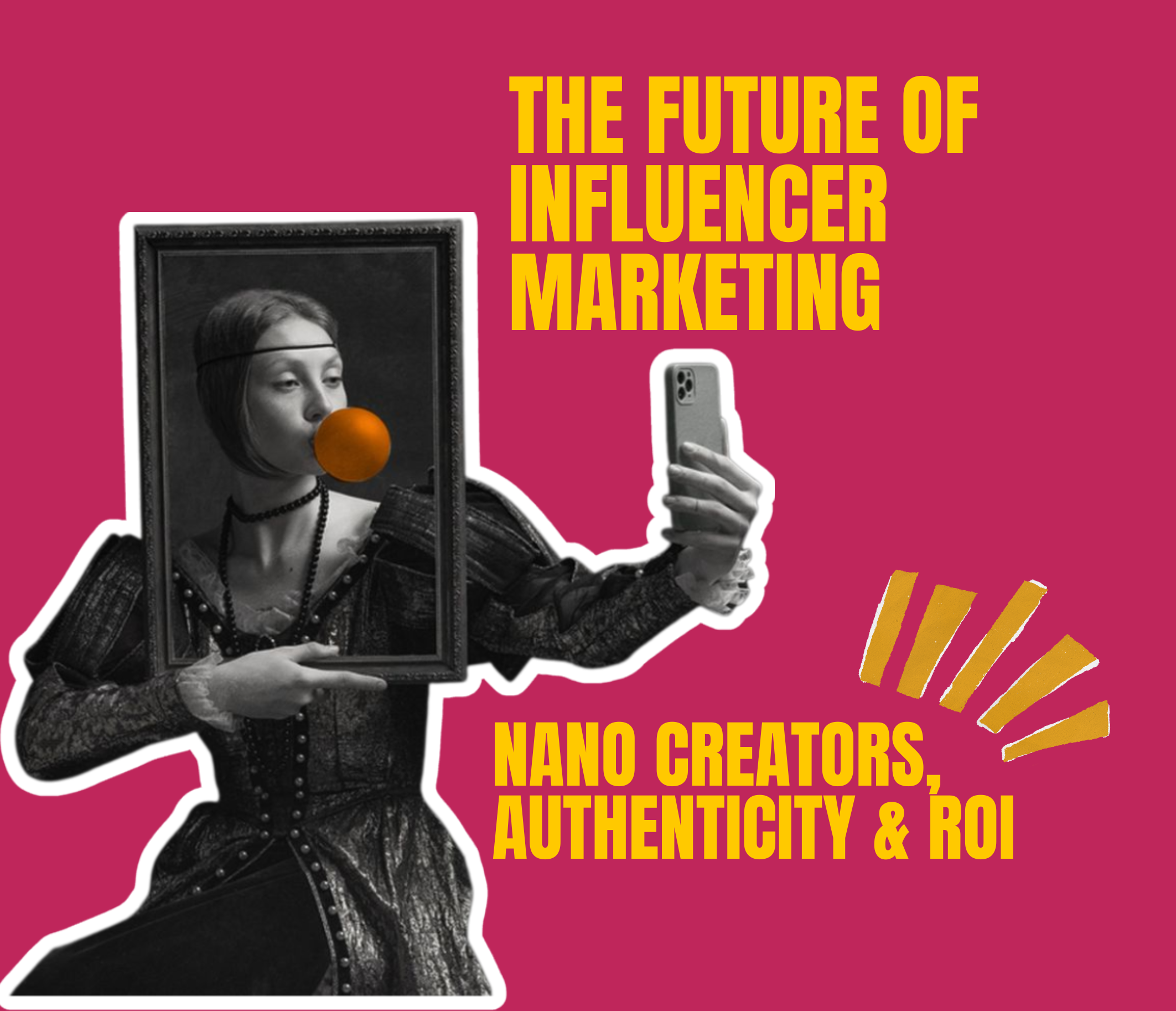
The Future of Influencer Marketing: Nano-Creators, Authenticity & ROI
Influencer marketing has gone from a trend to one of the core pillars of digital strategy. But space is changing faster than ever. The next phase isn’t about celebrities or mega-influencers; it’s about nano-creators, authentic storytelling, and ROI-driven performance marketing. Brands that understand this shift will build stronger communities, deeper trust, and higher conversions.
- 1. Nano-Creators: The New Powerhouses
Nano-creators are the ones having 1,000 to 10,000 followers. Once considered “too small,” they now represent the best value per rupee spent.
1.Why this sudden rise?
The content of it feels relatable, not aspirational.
They do interact regularly with their followers.
They drive niche, community-based conversations.
They charge much lower compared to macro influencers.
For brands, this means more engagement, sharper targeting, and campaigns that feel personal instead of promotional. Moving into 2025 and beyond, expect brands to run large-scale micro and nano collaborations rather than pouring budgets into one big name.
- Authenticity Will Outcompete Aesthetics
Audiences are savvy today. They instantly recognize scripted promotions or heavily edited “perfect” content. What they crave is honest-to-goodness, human storytelling.
This authenticity manifests itself as:
creators showcasing behind-the-scenes moments
admitting advantages and disadvantages of products
refusing partnerships that don’t align with their values
Speaking in Regional Languages & Cultural Contexts
Authenticity builds trust – and trust drives conversions. Brands are learning that giving creators creative freedom generates more meaningful engagement than forcing rigid guidelines.
- Center of it All: ROI
Gone are the days of celebrating vanity metrics. Today, brands want hard results. They’re tracking:
conversions and sales
promo code redemptions
CTR, CPA, and retention
audience sentiment and comment quality
Influencer marketing is no longer a “brand awareness activity” but a channel that drives real performance. Thanks to better attribution tools, UTM tracking, and AI analytics, marketers know precisely which creators are driving real impact.
- Local Creators & Community-Led Growth
One of the strongest trends is the rise of regional creators. Influencers in Bengali, Tamil, Hindi, Odia, Telugu, and other languages connect deeply with their audiences. This regional wave opens doors for brands targeting Tier 2–4 cities, where trust and relatability matter most.
Meanwhile, brands are moving from one-off posts to long-term partnerships: ambassador programs, monthly retainers, and co-created content. As a result, influencers become storytellers rather than promoters.
- The Role of AI and New Content Formats
AI will help brands detect fake followers, analyze quality engagement, and predict campaign ROI. But creativity rests with humans. And creators are experimenting with new formats: Reels, Shorts, live commerce, UGC videos, micro-vlogs, and podcasts.
If all the normal responding platelets in the circulation are from the donor, this would explain why the patient’s bleed stopped for several days after transfusion.
The future of influencer marketing is more human, data-backed, and community-driven. Nano-creators will rule. Authenticity will beat polish. ROI will matter more than reach. And brands that embrace real voices, regional content, and long-term creator partnerships will stay ahead of the curve.