Home »
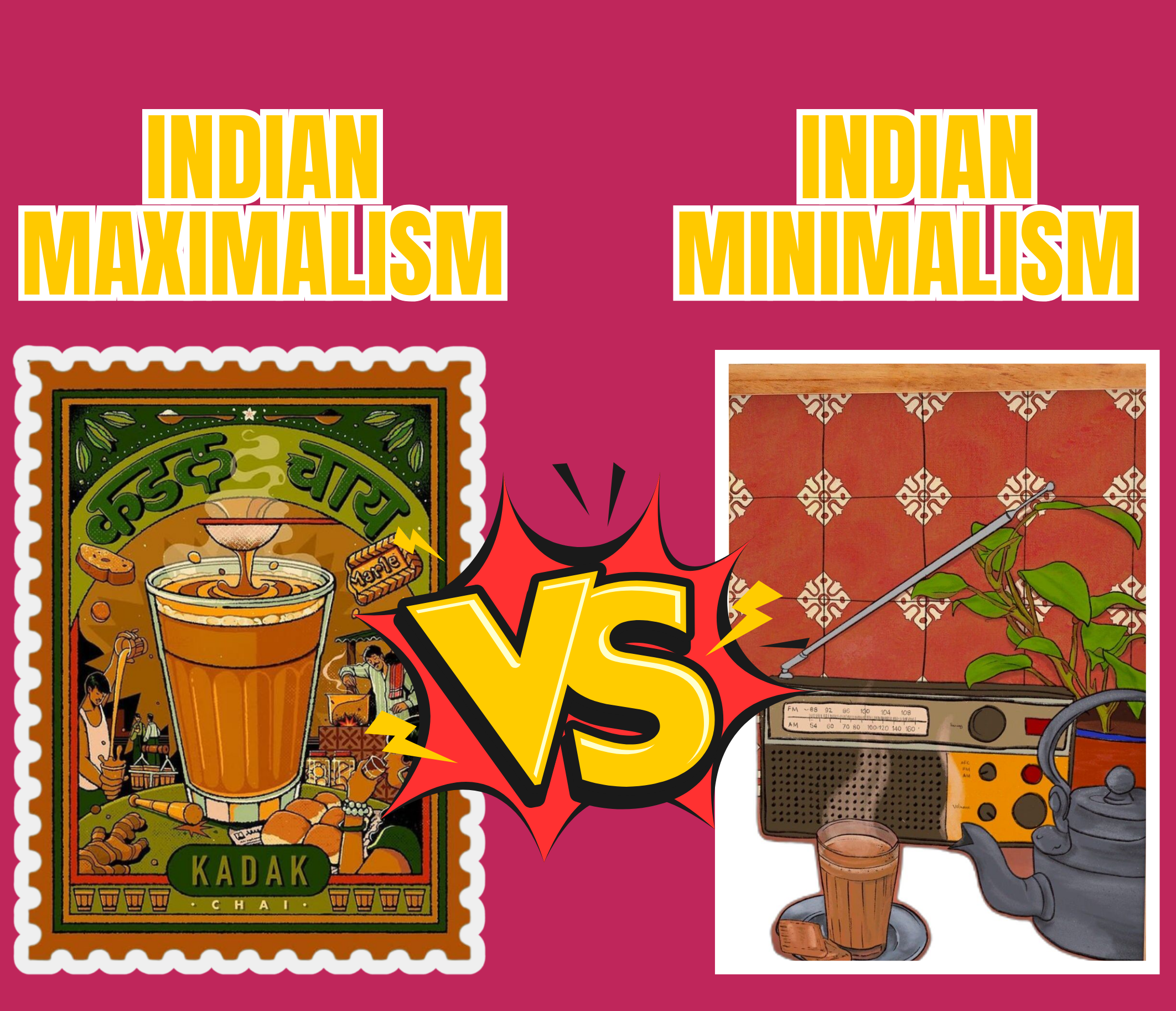
Indian Maximalism vs Indian Minimalism: Decoding Indian Brands


Indian Maximalism vs Indian Minimalism: Decoding Indian Brands
Introduction: Two Indias, One Industry
Open Instagram and scroll through jewellery brands in India. You’ll notice something interesting.
One brand is loud, festive, dripping in colour, emotion, and celebration.
Another is calm, muted, minimal—and quietly premium.
Same industry.
Same country.
Two completely different visual languages.
Welcome to the Indian branding paradox: Maximalism vs Minimalism.
Indian Maximalism: Tanishq
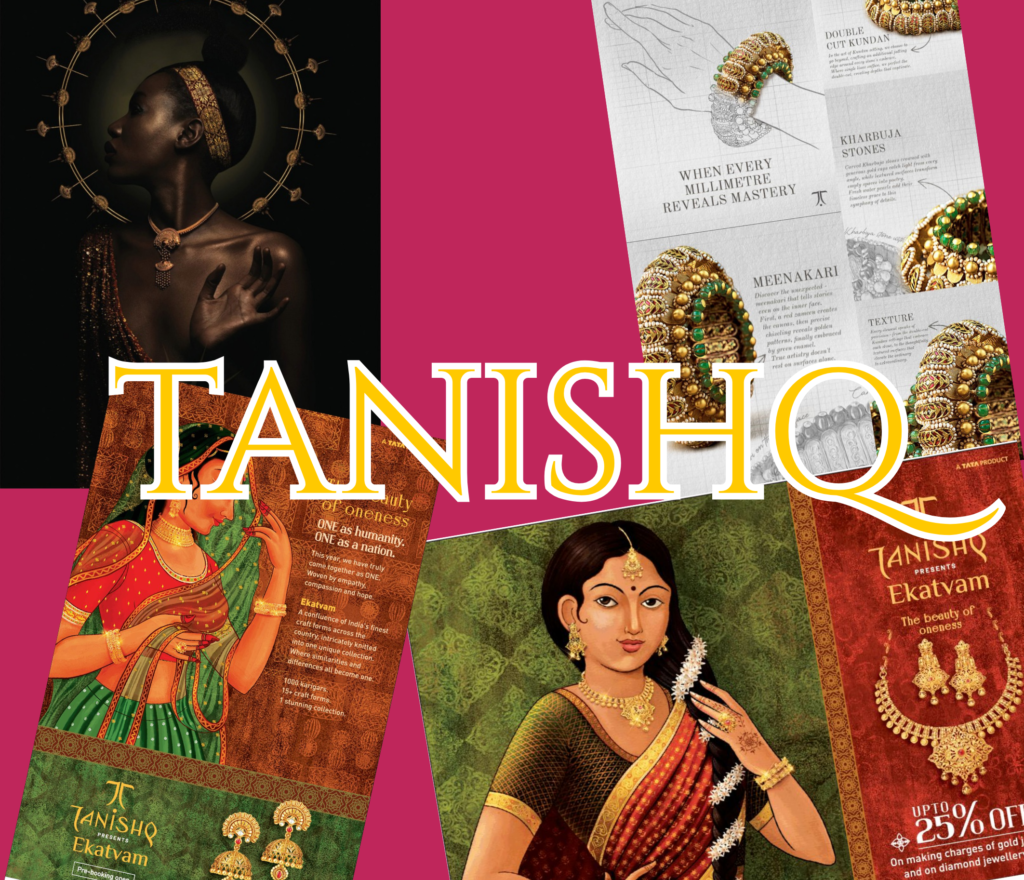
If Indian maximalism had a face, it would look a lot like Tanishq.
What Tanishq Does Right
Tanishq leans into everything Indian consumers emotionally respond to:
• Festive colour palettes
• Wedding-heavy storytelling
• Family, tradition, rituals
• Emotional, cinematic campaigns
Their branding feels rich, celebratory, and layered—because jewellery in India isn’t just a product. It’s culture, emotion, and generational value.
Why Maximalism Works for Tanishq
Tanishq speaks to a pan-India audience—from metros to Tier-2 and Tier-3 cities. In these markets, abundance signals trust. The more you show, the more believable you feel.
Their maximalism says:
“This is important. This is special. This is worth celebrating.”
Indian Minimalism: CaratLane
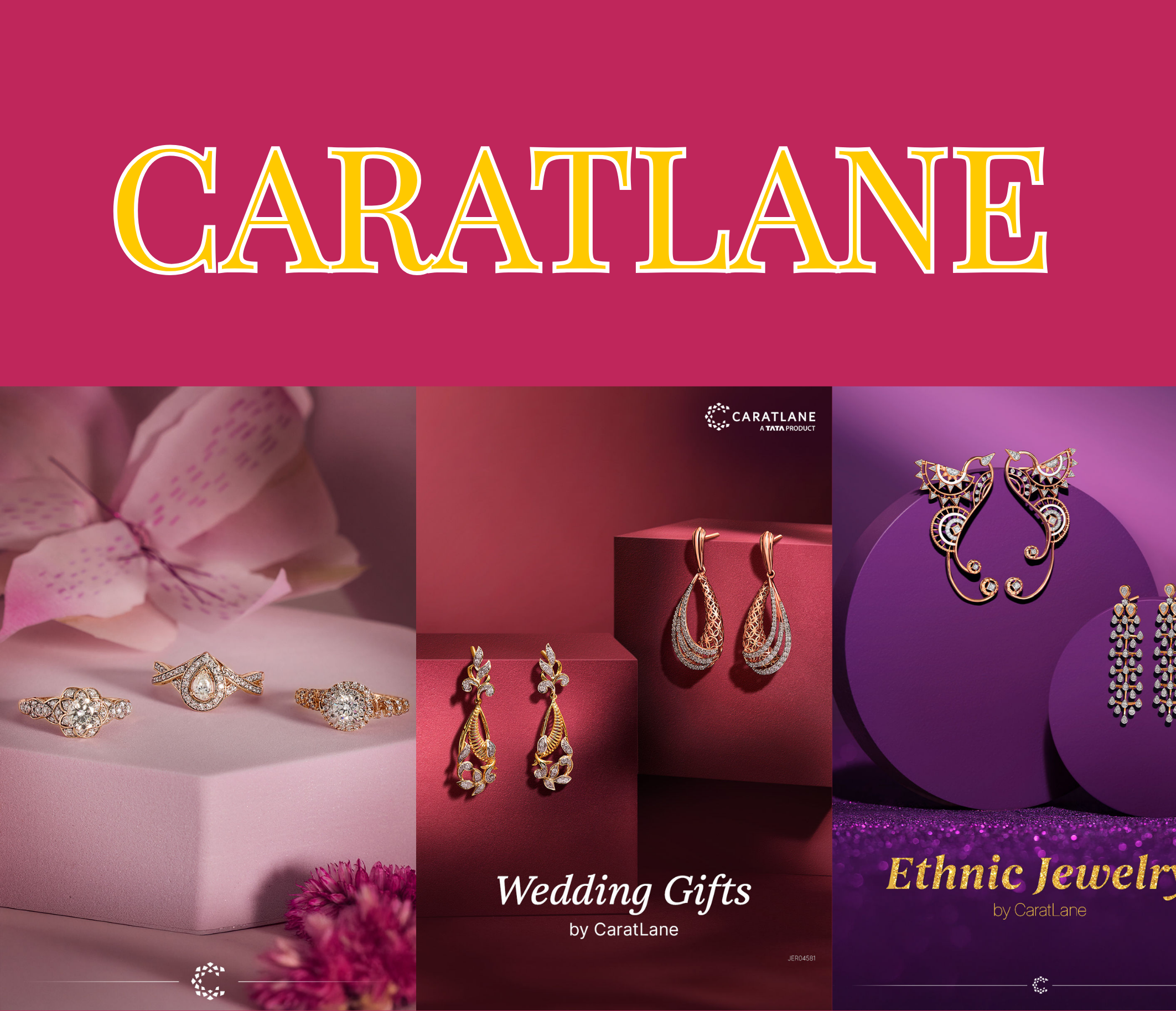
Now contrast that with CaratLane.
Same product category.
Entirely different energy.
What CaratLane Does Right
CaratLane’s branding is clean, modern, and minimal:
• Neutral colour palettes
• Simple compositions
• Young, urban couples
• Focus on everyday wear
Their visuals feel easy, wearable, and non-intimidating.
Why Minimalism Works for CaratLane
CaratLane targets a younger, urban audience that wants jewellery to feel approachable, not ceremonial.
Minimalism here communicates:
“Jewellery can be part of your everyday life, not just big occasions.”
Same Industry. Different Psychology.
Tanishq and CaratLane aren’t competing on aesthetics.
They’re solving different emotional needs.
| Brand | Visual Style | Emotional Trigger |
| Tanishq | Maximalism | Tradition, family, celebration |
| CaratLane | Minimalism | Modernity, ease, everyday luxury |
This is where most Indian brands go wrong—copying aesthetics without understanding intent.
The Real Lesson for Indian Brands
The takeaway isn’t “go maximal” or “go minimal.”
The takeaway is this:
Design follows psychology.
If your audience celebrates abundance—show abundance.
If your audience seeks simplicity—give clarity.
Trends don’t build brands. Relevance does.
The Digitally Desi Way: Choosing Sense Over Style
At Digitally Desi, we don’t force brands into beige boxes or loud templates. We decode the audience first—culture, geography, buying behaviour, and emotion.
Sometimes the answer is bold and festive.
Sometimes it’s calm and minimal.
Often, it’s a strategic mix of both.
Indian branding doesn’t need Western validation.
It needs cultural intelligence.
Final Thought
India isn’t minimal.
India isn’t maximal.
India is contextual.
The smartest brands don’t copy trends—they interpret culture.
Want to Decode Your Brand’s Visual Language?
If your brand feels confused or copied from somewhere else, it’s time to reset.
👉 Book a Desi Brand Strategy Call with Digitally Desi.