Home »
Will Ad-Free Instagram Kill Social Media Advertising? What Brands Need to Know?


Will Ad-Free Instagram Kill Social Media Advertising? What Brands Need to Know?
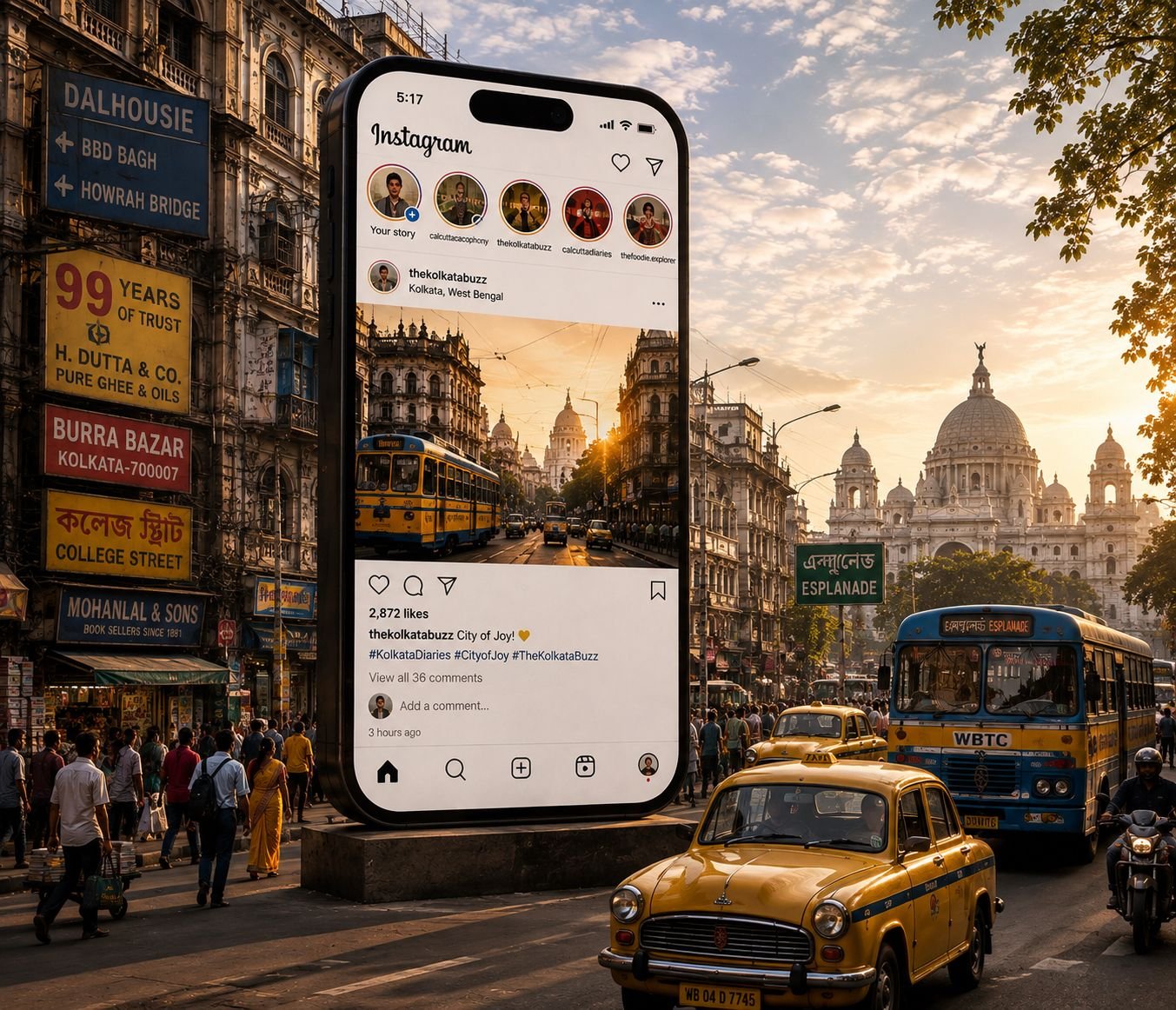
Instagram has started testing paid, ad-free subscriptions in regions like the UK and UAE. While it hasn’t reached India yet, the direction is clear.
The platform is slowly moving toward a model where users can choose to pay and avoid ads completely.
This raises an important question for brands:
If people can skip ads, what happens to social media marketing?
Why Instagram is moving towards ad-free subscriptions
Users today don’t go on Instagram to see ads. They go to relax, scroll, and disconnect.
Over time, ad fatigue has increased. Users are exposed to a high volume of ads daily, which has naturally led to lower engagement and reduced attention towards paid content.
Platforms are aware of this shift. Offering an ad-free experience is not just about user satisfaction but also about creating an additional revenue stream beyond advertising.
What happens when users stop seeing ads?
If even a small percentage of users shift to ad-free plans, the impact could be significant.
The users most likely to opt for these subscriptions are often the same audience brands want to target. This makes the shift more critical than it initially seems.
If high-value users begin opting out of ads, brands may lose visibility where it matters most.
This doesn’t mean ads will disappear, but it does mean their reach and effectiveness may reduce over time.
Will paid social media advertising stop working?
Not really, but it will definitely change.
Ads will continue to exist for users who don’t subscribe. However, relying only on paid reach will become increasingly risky.
Marketing is moving from interruption to participation.
Instead of forcing visibility through ads, brands will need to earn attention through content that people actually choose to engage with.
What brands need to start doing differently?
The shift is already visible.
Brands are gradually moving budgets towards creator collaborations and organic content, as audiences tend to respond better to content that feels native rather than promotional.
Organic content is no longer just about presence. It is becoming a primary way to reach audiences who may actively avoid ads.
At the same time, platforms are prioritizing content that keeps users engaged. Content that holds attention is likely to perform better, while interruptive formats like ads may slowly lose effectiveness.
For brands, this means focusing on Strong organic storytelling, Consistent content output, Community building, and Content that feels native to the platform
What does this mean for SMBs and agencies?
For SMBs, this shift creates a more level playing field.
While ad reach may reduce, businesses that focus on consistency and content can compete without relying heavily on large budgets.
For agencies, the role becomes more strategic. It is no longer just about running ads, but about building a brand presence that works even without them. Ad-free Instagram does not kill advertising, but it weakens the traditional approach. The real shift is happening in how attention is earned.
At Digitally Desi, this is something we already see in everyday marketing. Ads can still support growth, but they cannot be the only strategy. Brands that focus on organic visibility, clear positioning, and consistent content will be the ones that stay relevant in an ad-optional ecosystem.